Book Applique: A Practical Evaluation for Embroidery Projects
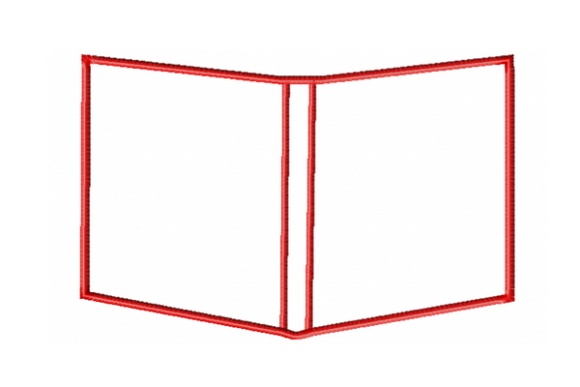
Embroidery enthusiasts often seek designs that balance aesthetic appeal with functional utility. The Book Applique design represents a specific niche within machine embroidery, offering a motif that resonates deeply with readers and literary lovers. This design typically features a stylized representation of an open or closed book, often incorporating details like pages, spines, or decorative elements to enhance its visual impact. Unlike simple printed graphics, applique involves layering fabric over the base material, secured by satin stitching or other edge techniques, creating a textured, three-dimensional effect.
For those considering this design for their next project, it is essential to understand not just what it looks like, but how it functions in various contexts. Whether you are planning to embellish a pocket reading pillow, customize an outfit, or create a thoughtful gift, the decision to use a Book Applique design requires careful consideration of materials, machine capabilities, and the intended audience. This evaluation explores the practical aspects of using this design, helping you determine if it aligns with your specific goals and technical constraints.
Understanding the Design Mechanics and File Formats
The core value of a digital Book Applique design lies in its versatility across different hardware. Modern machine embroidery relies on digital files that instruct the machine where to stitch. High-quality designs, such as this one, are typically distributed in multiple file formats (e.g., .PES, .DST, .JEF, .VIP). This compatibility is a significant advantage for hobbyists who may own machines from different manufacturers, including Brother, Janome, Bernina, or Pfaff.
However, the presence of multiple formats does not guarantee a perfect result without user intervention. Applique designs require more than just standard thread; they necessitate the placement of a fabric shape before the final stitching begins. The process usually involves a "tack-down" stitch to hold the applique fabric in place, followed by the cutting of excess material, and finally, the "edge-stitching" to secure the perimeter. Users must ensure their machine can handle the specific sequence of hoops and steps required. If a machine lacks automatic stop points or clear instructions, the user must manually pause the machine to cut the fabric, which increases the complexity of the project.
Evaluating Applications: Pillows, Outfits, and Gifts
The primary appeal of the Book Applique design is its thematic relevance. It serves as a strong fit for projects intended for avid readers, librarians, teachers, or students. One of the most popular applications is the creation of a pocket reading pillow. These pillows feature a sewn-in pocket designed to hold a paperback book while the reader relaxes. Placing a Book Applique motif on the front of such a pillow creates a cohesive and charming aesthetic. The texture of the applique adds durability to the high-wear area of the pillow, making it both decorative and functional.
In the realm of fashion, this design can be applied to denim jackets, tote bags, or aprons. For example, adding a small Book Applique to the back pocket of jeans or the chest of a shirt offers a subtle nod to one's interests without being overwhelming. When used as a gift, the personalization factor is high. A custom-embroidered item suggests effort and thoughtfulness, often surpassing the perceived value of store-bought alternatives. The tactile nature of applique makes the gift feel substantial and crafted rather than mass-produced.
Considerations for Fabric and Placement
While the design is versatile, it is not universally applicable to every fabric type. Applique works best on stable, medium-weight fabrics like cotton, canvas, or denim. Stretchy knits or very delicate silks may present challenges, as the tension required for applique stitching can distort the base material. Additionally, the thickness of the applique fabric combined with the stabilizer can add bulk. On items like fitted shirts or structured blazers, this bulk might be undesirable depending on the placement. Evaluating the drape and weight of the final garment is crucial before committing to the design.
Benefits and Tradeoffs of Machine Applique
The benefits of choosing a Book Applique design over a standard embroidery pattern are distinct. The primary advantage is dimensionality. Applique creates a raised surface that catches light differently than flat threadwork, adding depth and interest to the project. Furthermore, because the motif is made of fabric, it allows for color matching that is impossible with thread alone. You can select a piece of fabric that perfectly matches a book cover or a favorite scarf, integrating the design seamlessly into the overall look.
However, there are tradeoffs to consider. The process is time-consuming compared to standard embroidery. It requires additional steps, including cutting the fabric shapes, hooping, and managing stabilizers. There is also a higher margin for error; if the fabric shifts during the tack-down phase, the final edge stitching will be uneven. Additionally, applique requires more supplies. Beyond thread and needles, you need fusible web or adhesive spray, sharp scissors, and potentially multiple layers of stabilizer. For beginners, this learning curve can be steep, and the initial attempts may not yield professional results.
When to Choose Alternatives
Despite its charm, the Book Applique design may not be the optimal choice for every situation. If the goal is speed or efficiency, a standard embroidered lettering or icon design would be superior. Standard embroidery eliminates the need for fabric preparation and reduces the risk of puckering or shifting. Similarly, if the project involves a fabric that cannot withstand the heat of a fusible web or the tension of heavy stitching, alternative methods like screen printing or iron-on transfers might be more appropriate.
Another scenario where alternatives are worth considering is when the design needs to be highly detailed. While applique excels at bold shapes and silhouettes, it struggles with fine lines or intricate internal details. If the Book Applique design includes complex text inside the book cover or minute illustrations, these details may get lost in the texture of the fabric or the width of the satin stitch. In such cases, a dense fill-stitch embroidery design might preserve the detail better, even if it lacks the 3D effect.
Practical Decision-Making Insights
To determine if the Book Applique design aligns with your needs, assess your current skill level and available resources. If you are comfortable with basic machine operation and have experience handling stabilizers, this design offers a rewarding challenge that elevates your craft. Ensure you have the correct file format for your specific machine model to avoid compatibility issues. Most reputable sources provide these files, but verifying the hoop size requirements is essential. A design that fits a 4x4 inch hoop will not work on a machine limited to a smaller area.
Furthermore, consider the longevity of the item. Applique is generally durable, but the edges can fray over time if subjected to frequent washing or abrasion. For items like reading pillows that see heavy use, reinforcing the backing with a sturdy stabilizer is recommended. For gifts, think about the recipient's lifestyle. A book lover who enjoys outdoor activities might prefer a rugged applique on a canvas bag, whereas someone who values elegance might appreciate a subtle version on a silk-lined clutch.
Ultimately, the decision to use the Book Applique design should be driven by the desire for texture and personalization. It is a tool for transforming ordinary objects into meaningful keepsakes. By weighing the added time and material costs against the unique visual result, you can make an informed choice that enhances your embroidery portfolio. Whether for a cozy reading nook or a personalized wardrobe addition, this design offers a tangible way to celebrate the joy of reading through the art of needle and thread.